The Boy and the Heron
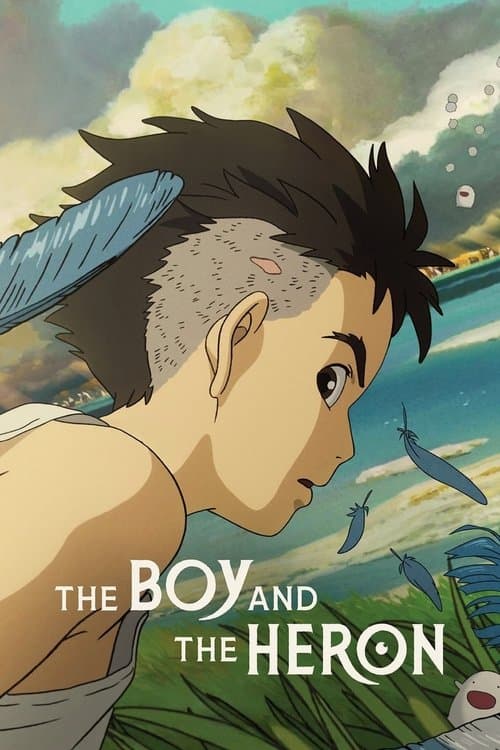
Hayao Miyazaki’s enigmatic fantasy follows Mahito, a grieving boy sent to the countryside after the loss of his mother, where a strange gray heron lures him toward a hidden world shaped by memory, desire, death, and creation itself. As Mahito moves deeper into this unstable realm, the film unfolds less as a conventional quest than as a shifting inner journey, where grief, resentment, inheritance, and imagination are constantly changing form. Miyazaki fills the story with unsettling beauty and dream logic, allowing its images to feel deeply personal even when their meaning remains elusive. With its haunting atmosphere and emotional density, The Boy and the Heron becomes a story about sorrow, transformation, and the difficult act of choosing to live in an incomplete and wounded world.
Why it matters
- The Boy and the Heron arrives as one of Miyazaki’s most personal late works, drawing together recurring concerns from across his career—grief, flight, memory, creation, inheritance, and the unstable boundary between worlds.
- Its dreamlike structure and refusal to fully resolve its symbols make it one of the most interpretive films in the Ghibli catalog, asking the viewer to move through emotion, image, and association rather than conventional explanation.
- The film has quickly taken on the weight of a summative statement, admired for the way it transforms private sorrow and artistic self-reflection into a haunting meditation on how to live, create, and continue after loss.
Watch for
- How Miyazaki uses the heron as both trickster and guide, making each encounter with Mahito feel unstable, provocative, and emotionally charged rather than simply symbolic or explanatory.
- The contrast between the grounded reality of grief in the film’s opening and the shifting dream logic of the world Mahito enters, where fantasy becomes an extension of mourning, resentment, and unanswered feeling.
- The density of the film’s imagery—tower spaces, birds, fire, water, mothers, and surrogate families—which gives many scenes a layered quality that feels personal even when their meaning remains deliberately unresolved.
- How the film builds toward choice rather than clarity, using Mahito’s journey to ask not how loss can be explained, but how a person continues living after being changed by it.