Pom Poko
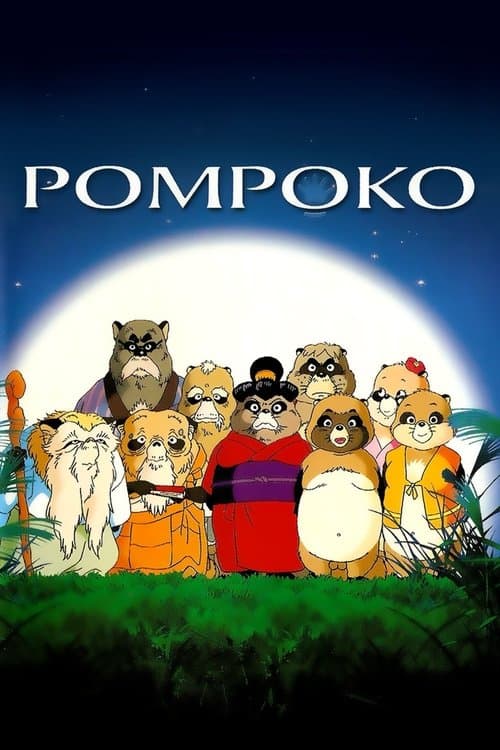
Isao Takahata’s wild and mournful environmental fable follows a community of tanuki whose forest home is threatened by rapid suburban development, forcing them to unite, adapt, and fight for survival as the human world closes in around them. Shifting between slapstick comedy, folklore, and tragedy, the film uses the tanuki’s shapeshifting abilities not just for spectacle but as a reflection of desperation, resilience, and cultural memory under pressure. Takahata embraces tonal extremes, allowing the story to feel playful, absurd, angry, and heartbreaking all at once as its world becomes steadily smaller. With its chaotic energy and deep sorrow, Pom Poko becomes a story about displacement, modernity, and the painful cost of progress when it severs people and creatures from the land that sustained them.
Why it matters
- Pom Poko is one of Isao Takahata’s boldest works, using folklore and shapeshifting comedy to confront environmental destruction, urban expansion, and the disappearance of traditional ways of life.
- Its ability to move from absurd humor to genuine grief makes it one of the studio’s most tonally daring films, capturing both the vitality of resistance and the sadness of inevitable loss.
- The film endures as one of Ghibli’s sharpest ecological statements, memorable for the way it frames modernization not as progress alone, but as a force that can erase culture, habitat, and communal memory.
Watch for
- How Takahata lets slapstick absurdity and looming sadness exist side by side, allowing the tanuki’s comic energy to gradually give way to a deeper feeling of desperation and loss.
- The shapeshifting sequences, which are not only visually inventive but also expressive of cultural memory, communal identity, and the frantic creativity of a people trying to survive erasure.
- The way modern development is shown not as a single villainous act but as a steady, overwhelming force that shrinks the tanuki world piece by piece until resistance itself begins to feel exhausting.
- How the film’s emotional power comes from accumulation, as jokes, rituals, failed plans, and fleeting victories slowly build into a mournful portrait of a community watching its home disappear.